The Pre-Production System That Changed How I Approach Shoots
The System That Changed How I Approach Shoots
For a long time, I thought feeling confident on set would come naturally with experience. More shoots, better gear, bigger projects. And while all of that does help, it wasn’t the thing that actually made the biggest difference for me.
What really changed how I show up on shoots was building systems.
Not rigid processes or overcomplicated workflows, but simple, repeatable ways of thinking that remove guesswork before you even show up on set and ever press record. After being on well over 100 shoots now, I’ve realised that a lot of the stress on set doesn’t come from pressure or expectations… it comes from uncertainty. Not knowing if you’ve prepared enough, unsure if you’ve brought all the correct equipment, or realising too late that you’ve missed something important.
This is the system I use now. It’s not about perfection, and it doesn’t guarantee nothing will go wrong, because that’s just not realistic. But it does make sure I turn up prepared, confident, and able to focus on creating instead of stressing out. I guess you can call it controlling the controlables.
To make this more practical, I want to show exactly how I used this system on a real project.
The Highlands Project was a creator trip through the Isle of Skye I took with a couple of friends with the goal of producing high-end brand deliverables for Mountain Warehouse, and a library of short-form content and stills to share over the following months.
Everything you’re about to see below was planned using the same CREATE system.
The CREATE System
Before every shoot, whether it’s a paid campaign, a personal project, or something in between, I run through the same framework. I call it CREATE, simply because it’s easy to remember and it reflects what the system is designed to do: create clarity before you create content.
Concept
What am I actually trying to make, and why does this project exist?
The first thing I always get clear on is the concept. What am I actually trying to make?
This goes beyond getting cool shots. I want to understand the story, the feeling, and the purpose behind what I’m shooting. Who is this for? Where will it live? How should it feel when someone watches it back? Understand the end point and work your way backwards.
If I can’t explain the concept in a couple of sentences, that’s usually a sign that it isn’t clear enough yet. Spending time here saves so much confusion later, especially once you’re on set and making decisions quickly.
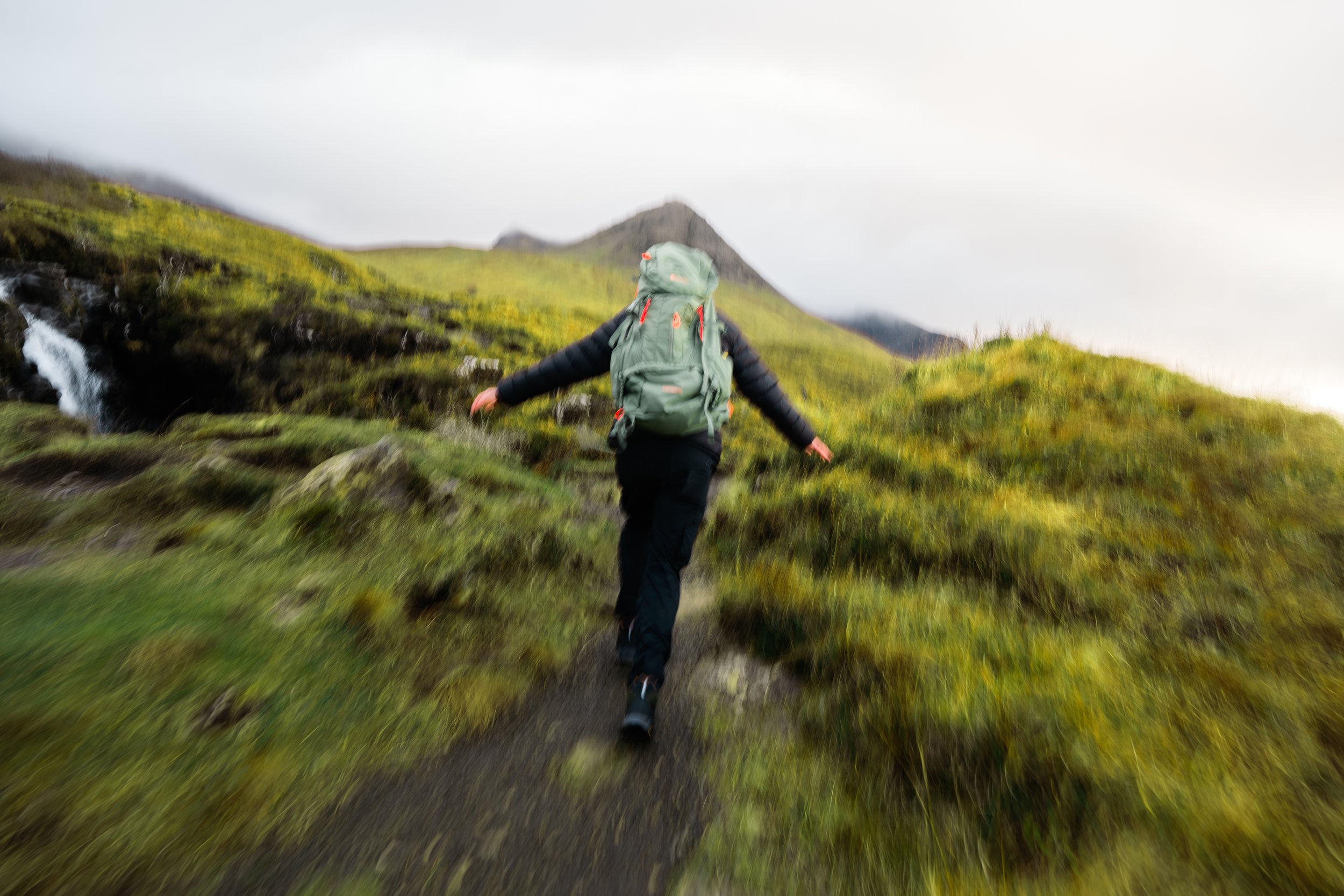
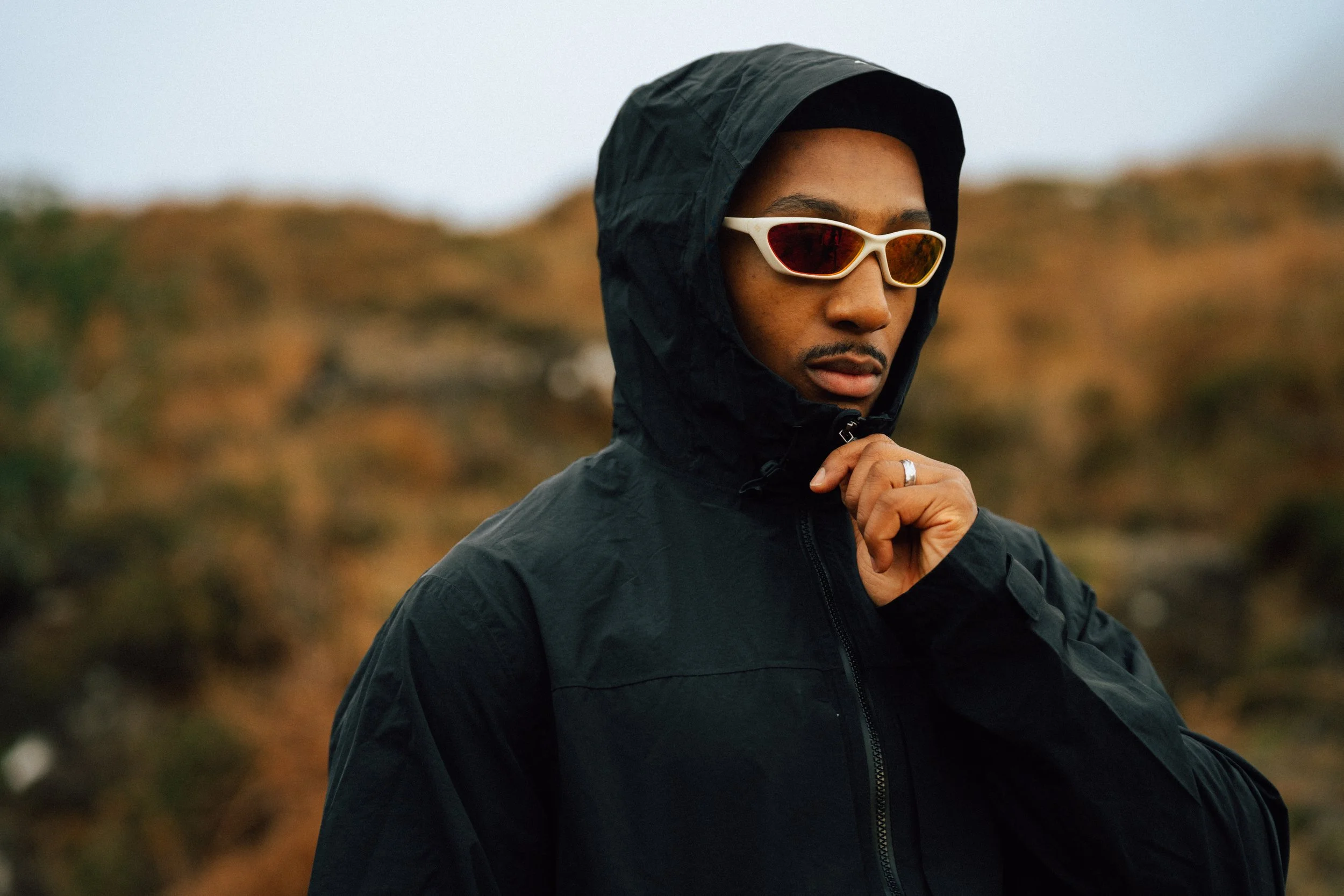
For The Highlands Project, the concept wasn’t simply a travel film. The core idea was to create something that blended cinematic storytelling, movement, and creativity, while still delivering real value for partner brands. It needed to feel adventurous and grounded, not like a glossy tourism edit.
Having that clarity early meant every decision afterwards had a reference point. If something didn’t serve the concept, it didn’t make the cut.
References
What does this concept look and feel like visually?
I’ll pull together a small moodboard of visuals, clips, colours, or pacing that match the direction I’m aiming for. This helps lock in the visual language of the shoot and stops me changing my mind constantly once I’m filming.
Even when I’m shooting solo, references are useful. They act as a visual anchor so I don’t drift away from the original idea halfway through the day.
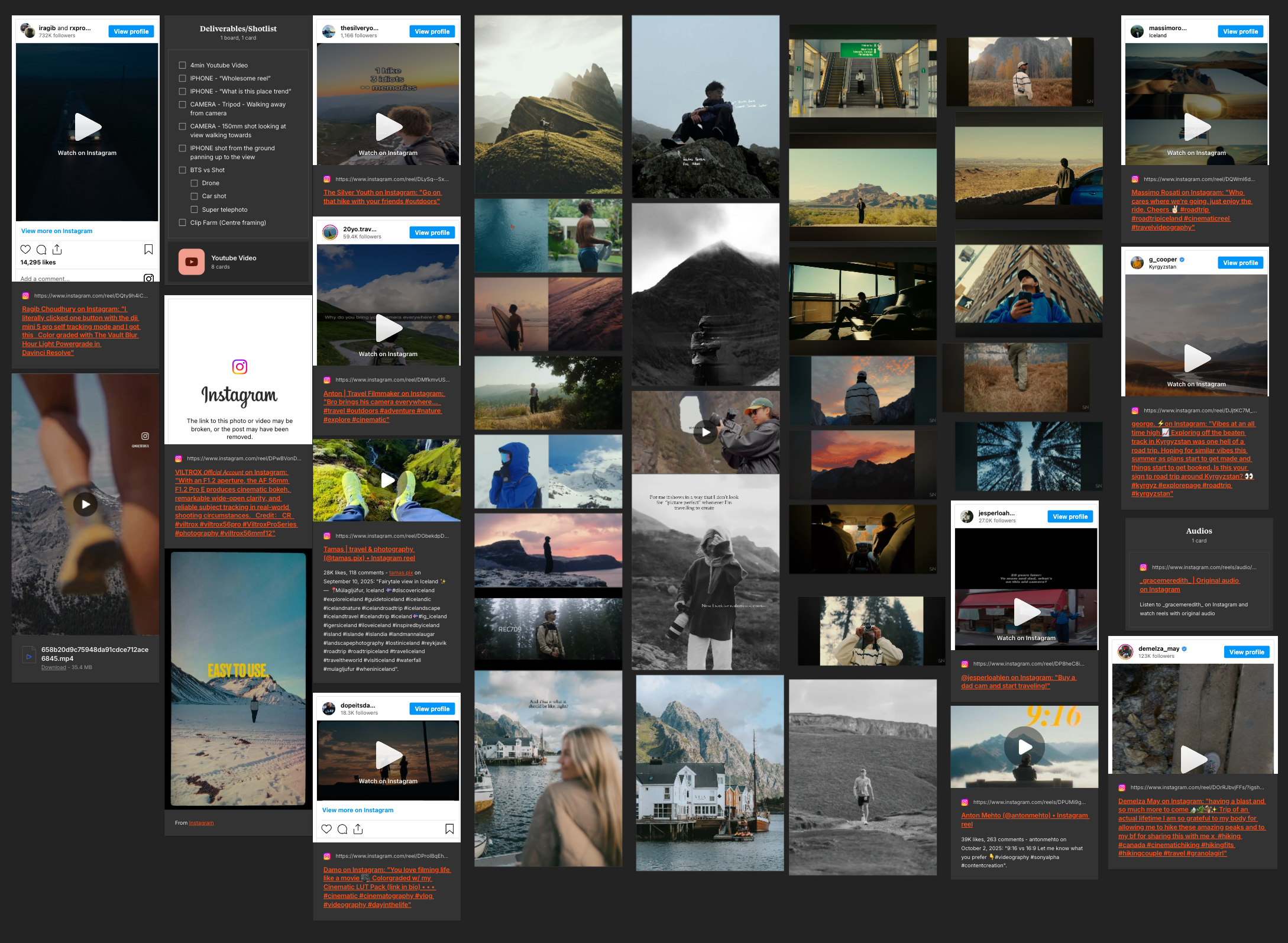
my moodboard for the highland project
These references lived in a simple moodboard that I could come back to at any point. Even when shooting solo, this was useful. It stopped me constantly changing my mind on set and kept the project visually consistent across multiple days and locations.
Execution Outputs (Deliverables)
What exactly needs to be delivered, and where will it live?
This step is where the project becomes real.
Execution Outputs is about defining the practical requirements of the shoot. What needs to be delivered, in what format, and for which platforms. This step removes ambiguity and stops surprises later in the edit.
For the Highlands Project, the outputs were clearly defined upfront:
2 reels and 10+ stills for Mountain Warehouse
2 reels and stills for Represent
10+ personal reels and short-form edits
Knowing this early affected everything from framing choices to how often I switched between vertical and horizontal. It also informed how much coverage I needed at each location. Without this step, it’s easy to come home with beautiful footage that doesn’t quite work for what it’s needed for.
Actions (Shot List)
What do I need to capture to make those outputs possible?
Once I know the deliverables, I build a shot list.
I don’t treat shot lists as rigid rules. I see them as a safety net. The goal isn’t to plan every single frame, but to make sure the essentials are covered so I’m not relying on memory or instinct alone.
For the Highlands Project, the shot list included:
hero wide shots at each location
BTS versus final shot moments
detail shots for cutaways and pacing
specific shots needed for each brand deliverable
Once those were secured, everything else could be improvised. The shot list gave me the freedom to experiment without worrying that I’d missed something important.
Once you have the shotlist, organising it logistically on set makes it even easier. If shots in the final edit are in a different order, the audience won’t know they were shot in one go. For instance, if you have a list of shots on the gimbal in a specific location, get them all there to avoid having to go back and forth to say their order in the final edit.
Timing and Logistics
How does this shoot actually work in the real world?
This is the part that removes the most stress.
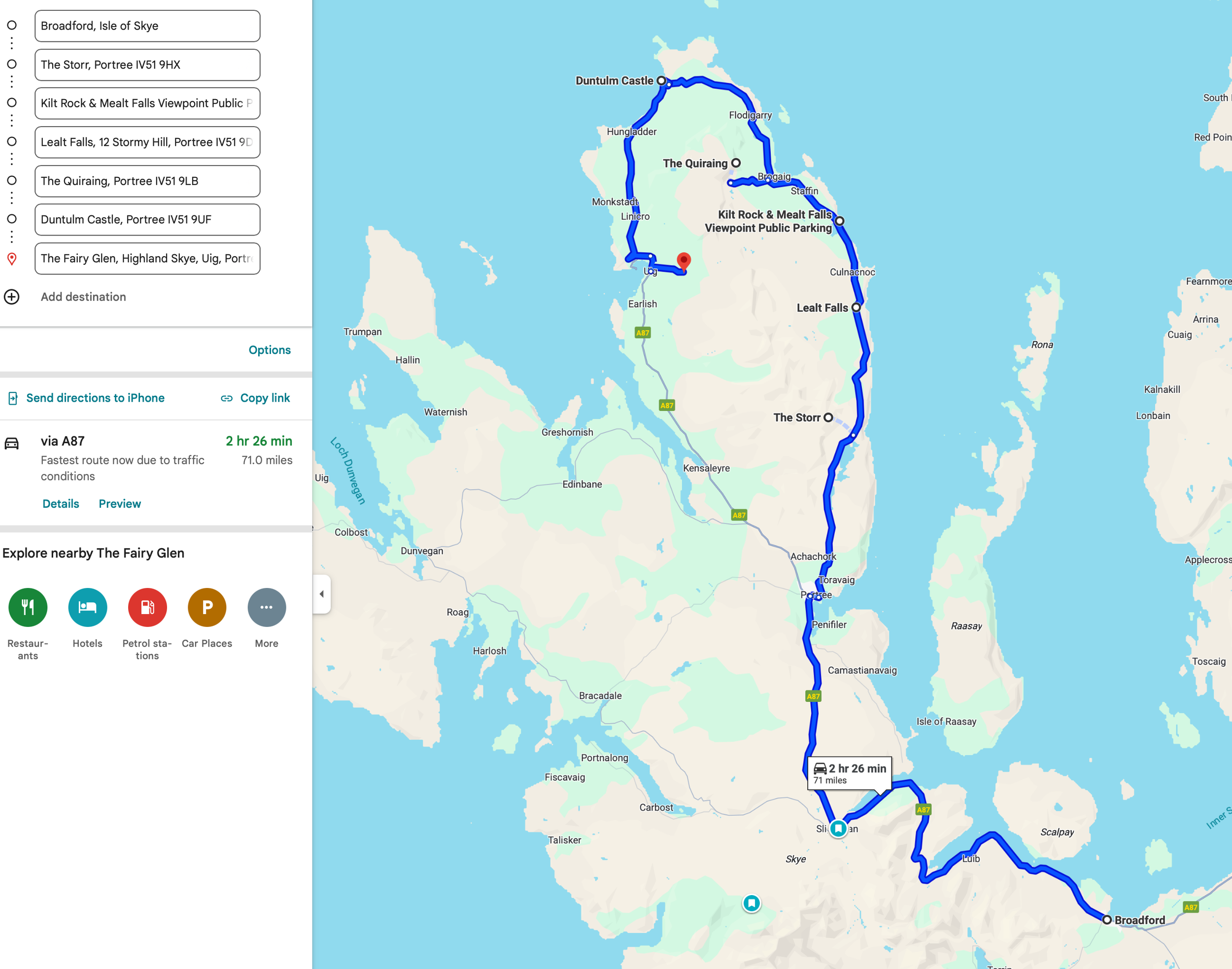
Timing and logistics is where I plan the day so that creativity isn’t constantly fighting the clock. It’s about understanding where we need to be, when the light is best, how long travel takes, and what order locations should be visited in.
For the Highlands Project, this meant building a detailed location plan across three days. Each day had a clear route, realistic timings, and enough buffer to avoid rushing through locations. Knowing this upfront meant I wasn’t making constant decisions on the fly, which is where a lot of creative fatigue comes from. We still ended up staying at some locations too long because we were having so much fun producing such great content but at least we had the structure to know where to make up time.
It’s a good practice to plan for things to go wrong and expect time to disappear and everything take longer than you had planned.
Equipment
What tools do I actually need to execute all of the above?
Gear comes last for a reason.
Instead of starting with what I own, I decide what the shoot requires based on the concept, references, outputs, and logistics. This keeps the kit intentional and avoids overpacking.
For the Highlands Project, the equipment list was built specifically to support:
cinematic movement
both long-form and short-form content for versatility
easy to travel with
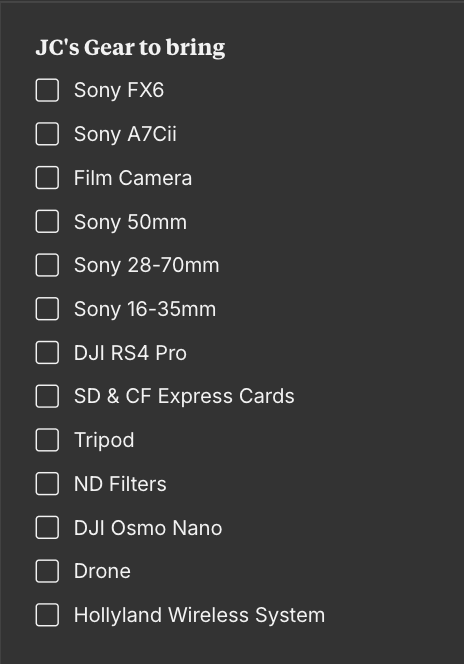
That resulted in a clear checklist rather than a “just in case” bag. Knowing exactly what I had with me meant I could focus on shooting, not worrying about whether I’d forgotten something.
Why CREATE Works
The reason this system works isn’t because it’s clever or complex. It works because each step removes a different kind of uncertainty.
Concept removes creative confusion.
References prevent visual drift.
Execution Outputs remove deliverable ambiguity.
Actions protect the edit.
Timing and logistics reduce stress.
Equipment supports everything else.
By the time I arrive on location, most of the thinking has already been done. That’s what allows me to stay present, react to what’s happening, and actually enjoy the process of creating.
Final Thoughts
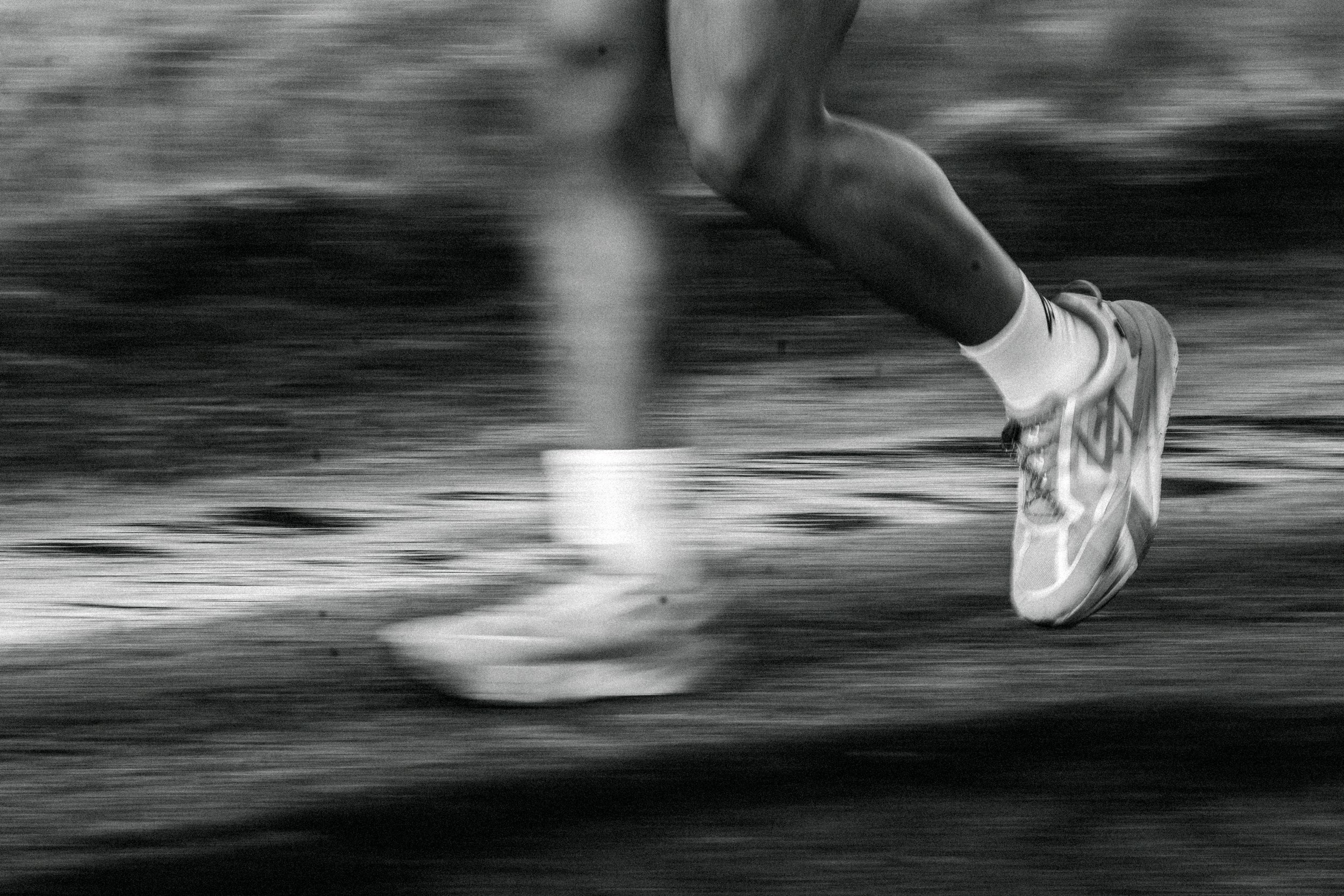
You can’t control everything on a shoot. Weather changes, people run late, locations don’t always behave the way you expect them to. That’s just part of the job. What you can control is how prepared you are when those things happen.
Having systems in place doesn’t make you rigid. It gives you freedom. It removes unnecessary stress, reduces nerves, and lets you focus on what actually matters: creating work you’re proud of.
You don’t need more gear or more ideas. You need systems you can rely on.
This is the one that changed everything for me.