

Sony A7V First Impressions
This post covers my real-world first impressions of the Sony A7V, filmed just hours after receiving the camera. This is not a long-term review or a spec-sheet breakdown. Instead, it is an honest look at why I bought the A7V, how it compares to the FX3 and A7C II that I already own, and whether it makes sense as a true hybrid camera for photo and video.
If you want to see the camera in use and hear my full reasoning, I recommend watching the full video below.
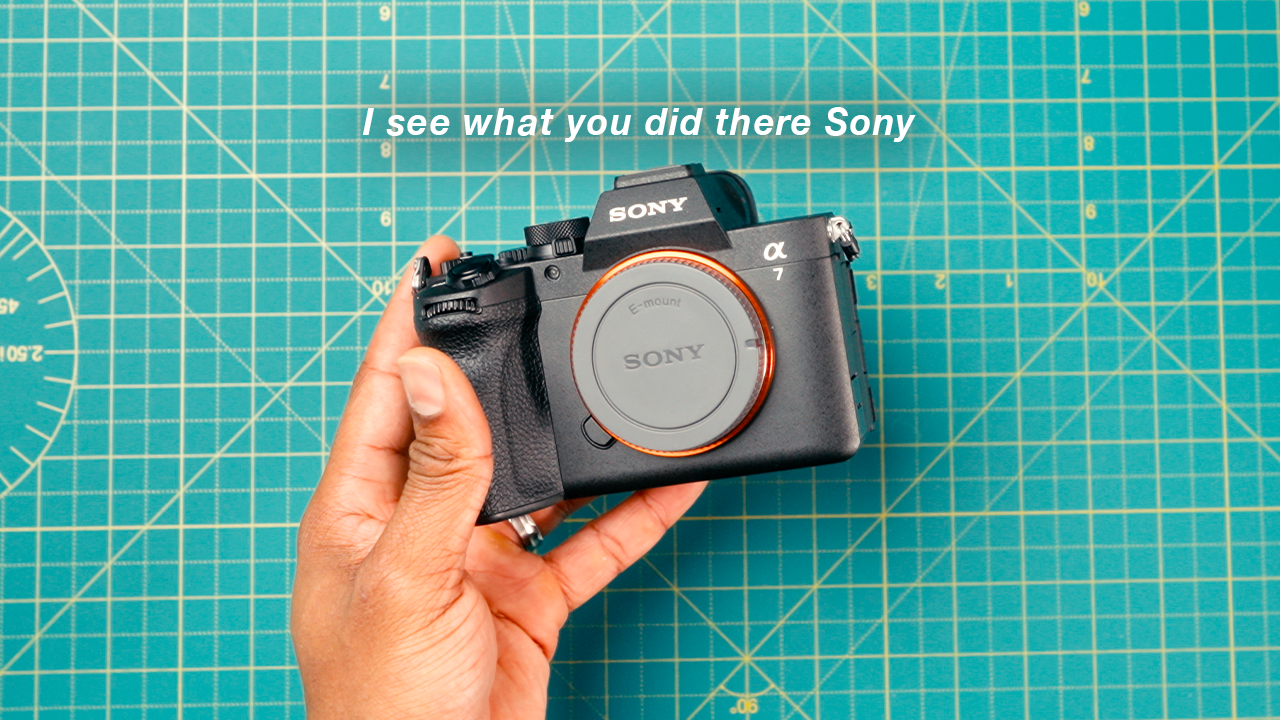
Why I Bought the Sony A7V (As an FX3, FX6 & A7CII Owner)
My main working cameras are the Sony FX6 and FX3, which handle almost all of my professional video work. For stills, I was using the Sony A7C II. While capable, the A7C II fell short as an all-in-one camera, particularly for video.
When travelling, I want to take one camera body that can handle both stills and video confidently. The FX3 is excellent for video but limited for stills. The A7C II covers photos well but introduces compromises that made it frustrating for video. The A7V is designed to sit between those two.
Rolling Shutter
Rolling shutter was the main reason I upgraded. It is slow and very noticeable during handheld movement or fast pans. Coming from the FX3, which has a much faster sensor readout, the difference is obvious.
The Sony A7V addresses this with a partially stacked sensor, the new BIONZ XR2 processor, and integrated AI processing. In real terms, this means faster readout, smoother motion, and better overall video performance, even though the megapixel count remains the same.
Low Light Performance
The A7V introduces a second base ISO of 8000, a significant improvement over the A7C II’s 3200. While it does not match the FX3’s 12800 base ISO, it is more than usable for a hybrid camera with a higher-resolution sensor.
This improvement alone makes the A7V far more reliable for travel and low-light situations without needing a second body.
Autofocus
Autofocus performance is excellent, as expected from modern Sony cameras. With improved AI tracking modes and refined subject detection, autofocus is not a limiting factor here and performs reliably for both photo and video work.
Video Features and the Lack of Open Gate
The A7V offers:
4K up to 60p in full frame*
4K up to 120p in APS-C crop
1080p up to 240p in full frame.
While higher frame rates require a crop, this is expected within Sony’s lineup. The more noticeable omission is open gate recording.
Open gate has become increasingly useful for creators delivering both vertical and horizontal content. While I would have liked to see it included, it is not a dealbreaker for me. The A7V is my hybrid travel camera, not my main video workhorse.
*4K 60p is only available when 4K angle of view priority is switched on, otherwise there is a slight crop to enable the high ISO NR.
Photo Performance
Photography is where the A7V truly stands out. The 33-megapixel sensor allows plenty of room to crop and reframe, and the 30 frames per second electronic shutter is extremely impressive.
The mechanical shutter remains at 10 frames per second, which is slightly underwhelming, but the electronic shutter performance is far more usable than previous generations and opens up creative possibilities for action and lifestyle photography.
Quality of Life Improvements
Several smaller upgrades make a big difference in daily use:
A fully articulating screen with tilt functionality
USB-C ports replacing older micro connections
Improved thermals and battery efficiency
The camera handles longer recordings more confidently, making it far more practical for extended shooting and YouTube-style content.
One of my biggest frustrations with the A7C II was the lack of a joystick. Moving focus points when shooting stills was slow and awkward. The return of the joystick on the A7V dramatically improves usability and makes the camera far more enjoyable to shoot with.
Should You Buy the Sony A7V?
If you are buying your first serious hybrid camera, the Sony A7V is easy to recommend. If you already own an A7 IV or A7C II, the decision comes down to whether the improvements in rolling shutter, usability, and thermal performance matter to you.
A new camera will not automatically improve your work. Lighting, framing, and understanding how to use your gear are far more important. For working professionals, however, the A7V removes enough friction to justify the upgrade.
The Sony A7V feels like the hybrid camera Sony should have released earlier. It fills the gap between the FX3 and A7C II more convincingly, offering strong photo performance and reliable video capabilities in a compact body.
For a full breakdown, real-world footage, and side-by-side context, watch the full YouTube video above.
If you are considering buying this camera, I also recommend checking out my Sony A7V accessories video, where I cover the gear that pairs best with this body for travel, video, and everyday use.
